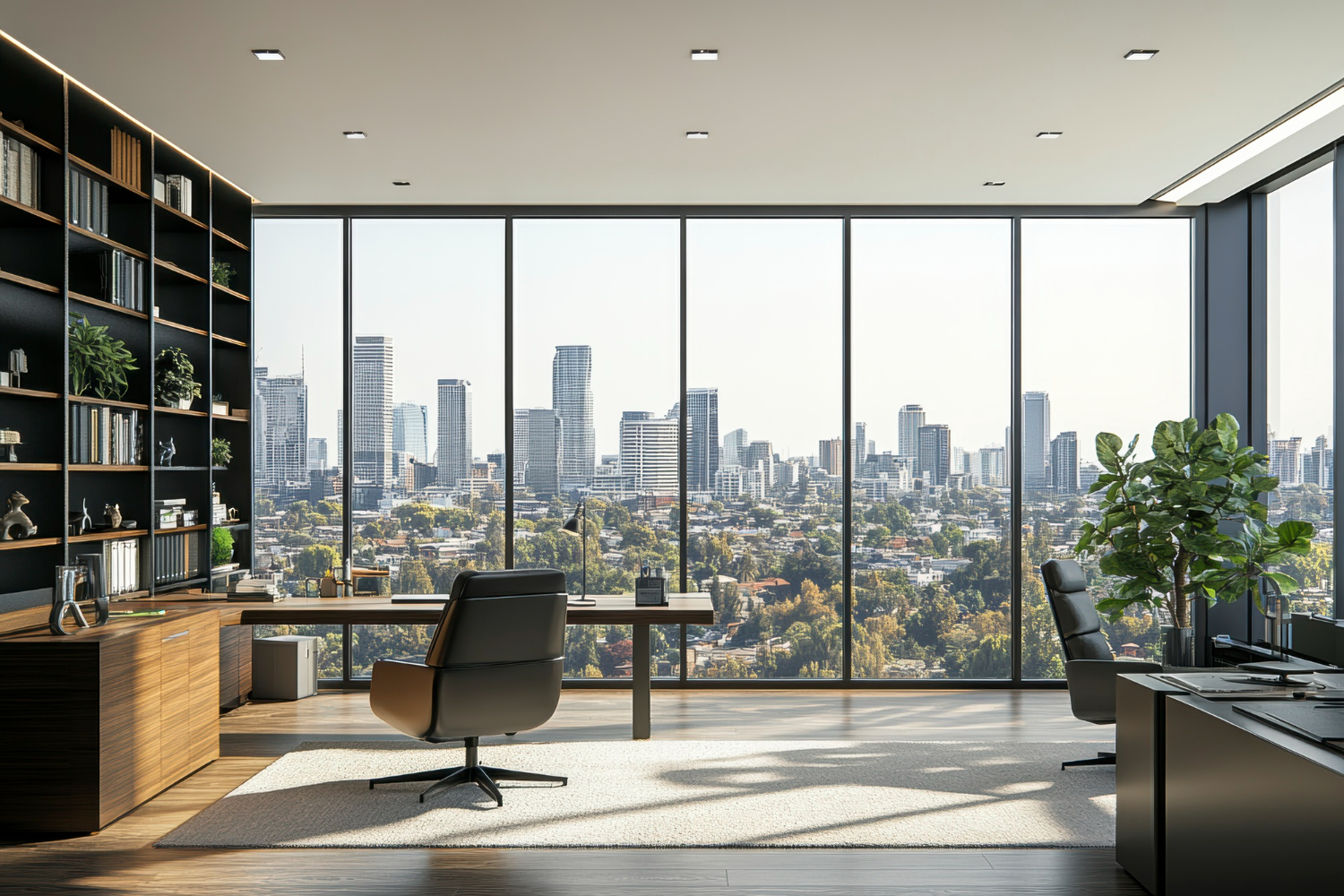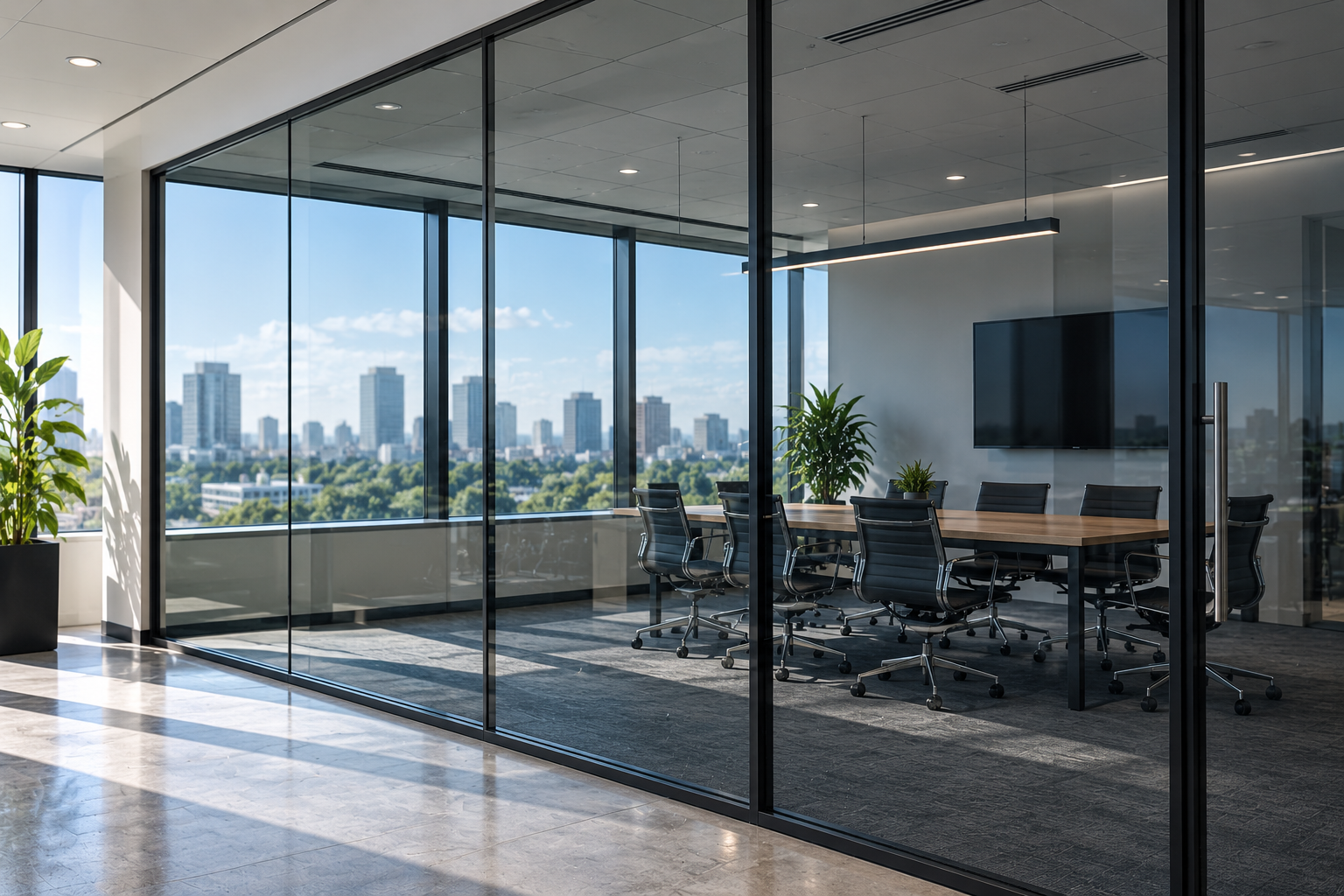

Double-glazed and Low-E windows are now common in Sydney homes, new apartments and office buildings. They already do a better job of keeping heat in or out than standard glass, so a common question is whether you can still add window film, and whether it’s safe for the glass. The short answer is yes, in most cases, as long as the right film is chosen for that specific glass.
Why the type of glass matters
Window film works by absorbing and reflecting part of the sun’s energy. When a film absorbs heat, the glass it’s applied to gets warmer. On a single pane that’s rarely a problem. On a double-glazed unit, the heat is trapped between the panes, so the inner pane can run hotter than it would on its own.
Glass can crack when one part of a pane is much hotter than another, for example when the centre sits in full sun and the edges stay cool inside the frame. This is known as thermal stress. The wrong film on the wrong glass can increase that risk, which is why film isn’t a one-size-fits-all product.
What makes a film safe for double-glazed glass
Film manufacturers test their products against different glass types and publish guidelines on which films can go on which glass. The things that matter most are:
- The glass make-up: double or single glazed, toughened or laminated, and the thickness of each pane.
- The size of the pane: large panes heat up differently from small ones.
- Which way the window faces: north- and west-facing glass in Sydney gets the most sun and heat.
- Shading: eaves, awnings or trees that put part of the window in shade create uneven temperatures across the glass.
- The film itself: how much heat it absorbs versus how much it reflects.
Following these guidelines also matters for warranties, as film warranties generally depend on the film being suitable for the glass it’s installed on.
What about Low-E glass?
Low-E (low-emissivity) glass has a very thin metallic coating that reduces heat transfer. On many windows the coating sits inside the sealed gap of a double-glazed unit, so film can be applied to the inside surface as normal. On some windows the coating is on the room-side surface of the glass, which can change what film, if any, should go on it. It’s not always obvious by looking, so it’s something to check before choosing a film.
Does film still help if I already have double glazing?
Often, yes. Double glazing is mainly about insulation: it slows heat moving through the window. Film adds other benefits that double glazing on its own doesn’t always give:
- Less glare on screens and TVs.
- Daytime privacy for street-facing rooms.
- Blocking up to 99% of UV rays, which helps stop floors, furniture and artwork fading.
- Extra heat rejection on large, sun-facing windows.
- Safety and security films that help hold glass together if it breaks.
How we handle it at Platinum Tint Solutions
Every job starts with a free onsite assessment. We check the type of glass, the size and position of each window and what you want to achieve, then recommend 3M or LLumar films that are approved for that glass. If a particular window isn’t a good candidate for film, we’ll tell you.
For homes, our home window tinting page covers the solar, privacy and climate control films we use on everything from sliding doors to large living-room windows. For offices and commercial buildings, where large double-glazed panes are common, see commercial window tinting. You can also read about the 3M window films we install.
Get the right film for your windows
Not sure what glass you have? You don’t need to know. We’ll work it out during the free onsite measure. Platinum Tint Solutions is based in Chatswood and works across Sydney. Contact us or call 0402 726 283 to book a time.